The Mario Bros. power up in this family friendly film.
It’s okay to have fun.
It’s strange that I had to keep reminding myself about this throughout the entirety of the Super Mario Bros. Movie. For the last month, the online discourse surrounding this film has been obnoxious. “It’s not as emotionally impactful as a Pixar film!” “There are no deeper lessons learned from the movie!” As if the lack of those things inherently makes a film bad. Neither does “It’s just a kids movie!” make for a good defense of a film.
That’s the thing, though. The Mario movie isn’t a bad film. In fact, it’s a pretty good one if you’re looking to just have fun. It’s bright, it’s silly, it’s humorous, and it’s a visual treat. I truly disliked having to argue with the discourse, in my own head, as I watched the film. That’s my own fault though, of course.
The easiest thing to address about the film is the visuals. How can you not? The Mario movie is so visually bright that almost every scene in the film explodes off the screen. Yet once again, the movie somehow came under criticism from the online mobs. At some point in the last few years, people started expecting every individual strand of a character’s hair to be rendered. That level of attention to detail in Pixar films has caused their films to explode in costs, for negligible gains. Does anybody really care that Mario’s mustache isn’t life like? Is anybody really asking for that? The film has a solidly cartoonish look with exaggerated visuals that are perfect for the material.
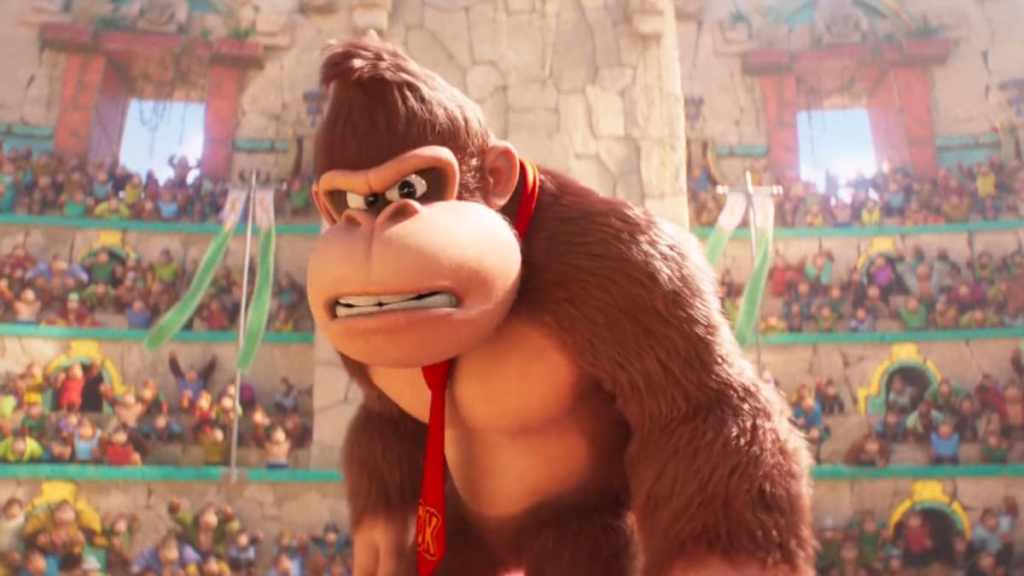
Musically, the soundtrack borrows from the games for much of the musical cues while also integrating pop hits over different scenes. The original score is fantastic, and the fact that we got a rendition of the beloved DK Rap is a delightful surprise. There is only one scene that comes to mind where the use of a pop track really didn’t fit; I’m thinking specifically of when Take On Me was played over a scene of Mario and Peach driving through the streets on a golf cart. I’m not sure who chose that specific song for that specific scene, but it was the one instance of a track feeling jarring and not well integrated into the film.
But let’s be honest. Everyone coming to the movie is waiting to hear the incredibly memeable earworm known as Peaches.
If you don’t want to spoil the surprise, then skip the video, but parents around the world are going to be clawing at their ears as their children sing Peaches for the 50th time. But, to be honest, it was one of the highlights of the film. Someone apparently just told Jack Black to make a song and scream it out, and that man went 200% into creating a song that will live in infamy. I’ll say that during my showing, the crowd broke out in applause. And, ashamed as I am to say it, I’ll find myself walking around singing “peachespeachespeachespeachespeaches.”
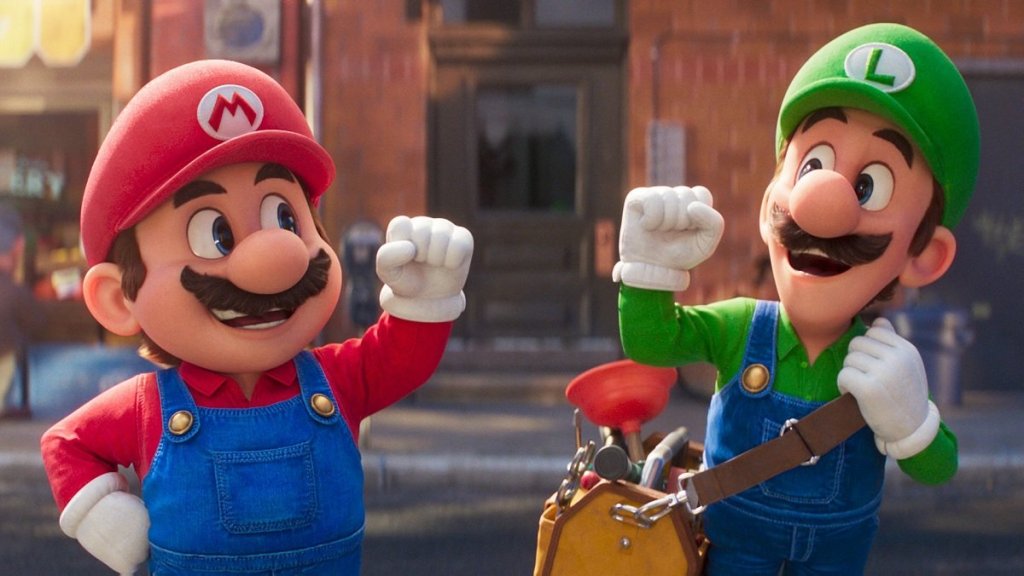
I thought the voice acting throughout was great. The only character that seemed miscast was Cranky Kong, voiced by Fred Armisen. However, the rest of the cast was solid. Princess Peach, voices by Anya-Taylor Joy, takes up as much screen time as Mario himself and maybe more than Luigi. Mario, voiced by Chris Pratt, and Luigi, voiced by Charlie Day, make up the heart of the film. The central theme of the film is the importance of their brotherhood. Throughout, we see Mario acting very protective of his less courages, and less capable, younger brother. That theme is present from the very first moments of the movie, and there’s a genuine sweetness in their love for each other.
But the plot as a whole is as complex as an plot in any Mario game. The Mushroom Kingdom is threatened by Bowser, who wants to marry Princess Peach, and Mario and Luigi arrive to save the day. As is the trend in modern films, Princess Peach couldn’t be relegated to a damsel in distress. Actually, even in the most recent Mario game, Princess Peach seemed to spurn both Mario and Bowser’s romantic advances to go on her own journey at the game’s conclusion. There’s nothing ground breaking or ultra feminist in Peach’s portrayal, but it was nice to see that she was written as a capable ruler of her kingdom. Rather than be relegated to the background, Peach takes a central role. She’s protective of the Toadstools who live in the kingdom and sincerely cares about the well being of the people around her. Mario is still positioned as someone uniquely capable of helping, since he never accepts defeat and is willing to keep getting back up no matter how many times he’s knocked down. The two play off each other very well as they both do their part in saving the kingdom from Bowser. That relationship is accented by memorable characters throughout the film, from the apes of Kong Kingdom to the imprisoned, humorously nihilistic Luma.
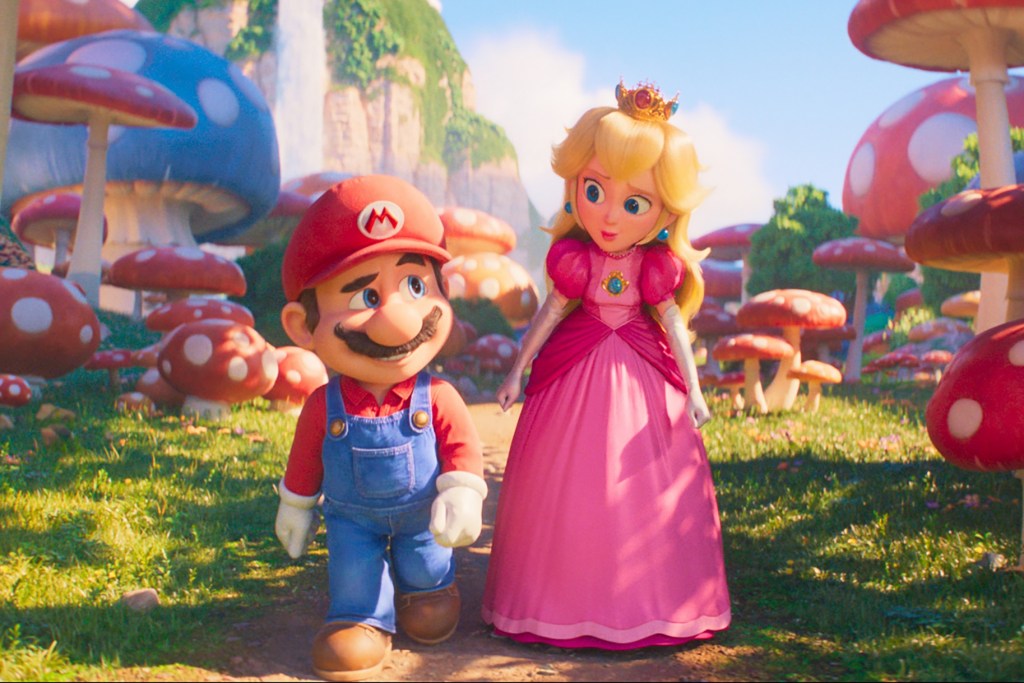
At the end of the day, the Super Mario Bros. Movie is one of the most profitable films ever, having taken in nearly $1.5 billion in revenue. Does it deserve that number? That’s subjective and depends on your tastes. Just, take the Mario movie on its own terms. If you’re looking for a tear jerker in the spirit of Up or Wall-E, you won’t find that here. You won’t have the deeply interwoven message of coming to terms with your own adulthood like was found in Inside Out. But the film is a lot of fun, and sometimes, that’s all you need.

